Land and life
Building a Family Home on Your Own Land: Where to Start
Building a family home on your own land starts long before the first stone is laid. It starts with choosing the right plot, making sure its title deed is genuine, and planning what you want to build. This guide walks you through each step, from picking the land to sketching your first house plan, so you can move from dream to decision with confidence.
Why is building a family home on your own land worth it?
Every family home you have ever admired started the same way: as an empty plot and a decision. Someone chose a piece of land, paid for it, secured the paperwork and then built, often one stage at a time.
Owning the ground under your house changes how you live. There is no landlord, no notice to vacate and no rent increase letter at the end of the year. Your family gets its own space and makes its own rules, whether that means a kitchen garden, a play area for the children or a room for visiting parents.
A home on your own land is also something you can pass on. Many Kenyans think of land as the first real asset a family owns. Land in a growing area also tends to gain value over time, although that is an observation about the past, not a promise about the future. The main reason to buy is the life you want to build on it.
How do I choose the right plot for my family?
The best plot for a family home is not always the cheapest one or the closest one. It is the one that fits how your family will actually live. Before you commit, think through these questions:
- Location: How will you get to work, school, the market and hospital from here? Visit at different times of day to see for yourself.
- Access: Is there a usable road to the plot, and what is it like in the rainy season?
- Water and power: Ask the seller what is available now and what is planned. Do not assume.
- Neighbourhood: Are people already building and living nearby? A settled area feels safer for a young family.
- Budget: Plan for the price of the plot plus legal fees, stamp duty and the cost of building, not just the plot alone.
Fahari Homes sells plots with title deeds mostly around Nairobi, Machakos, Kiambu and Kitui. You can browse all plots for sale, or read more about specific areas such as plots for sale along Kangundo Road, plots for sale in Ruiru Murera and plots for sale in Joska Malaa.
What size of plot do I need to build a family home?
The most common plot size in Kenya is 50 by 100 feet. That is 5,000 square feet, a little under one eighth of an acre (one acre is 43,560 square feet).
For many families, one 50 by 100 plot is enough for a comfortable house with some outdoor space, depending on the design you choose. A bungalow spreads out and uses more ground, while a maisonette goes up and leaves more room for a garden or parking.
If you want a bigger compound, space for animals or room to add a second house later, consider buying two plots side by side. Talk to an architect early. They can tell you what fits on the land before you fall in love with a design that does not.
What checks should I do before buying land in Kenya?
Paperwork is what turns a piece of ground into land that is truly yours. Many land scams in Kenya succeed because a buyer skipped one of these steps, so take them seriously:
- See the title deed. A title deed is the official document that proves who owns a piece of land. Ask for a copy and note the title number.
- Do an official search. An official search is a check of the land records that confirms the registered owner and shows whether the land has any loans, disputes or restrictions on it. It is done at the land registry, or on Ardhisasa where the county is on the system.
- Visit the land. Walk the plot, see the beacons (the markers that show its boundaries) and make sure the land you see matches the land on paper.
- Use your own advocate. An independent lawyer can review the sale agreement, which is the contract that sets out the price, the payment terms and what happens if either side does not keep their word.
- Check if consent is needed. Many transfers of agricultural land need consent from the local Land Control Board, a local committee that approves certain land sales. Your advocate will confirm whether this applies.
- Budget for stamp duty. Stamp duty is a government tax paid when land changes hands. Under the Stamp Duty Act it is 4% of the value in a municipality and 2% elsewhere. Confirm the current rates before you pay.
- Complete the transfer. The transfer is the legal process that moves ownership from the seller to you. Only when it is registered and the title is in your name is the land fully yours.
If you live abroad, a trusted family member or your advocate can attend the site visit and follow up on the search for you. Never send money for land that nobody you trust has seen.
How do I plan the build once the plot is mine?
Once the title is in your name, the exciting part begins. A little planning now saves a lot of money and stress later:
- Get a professional design. An architect will turn your family's needs into a plan that suits your plot and your budget.
- Seek approvals before you build. Check with your county about building plan approval and follow its requirements.
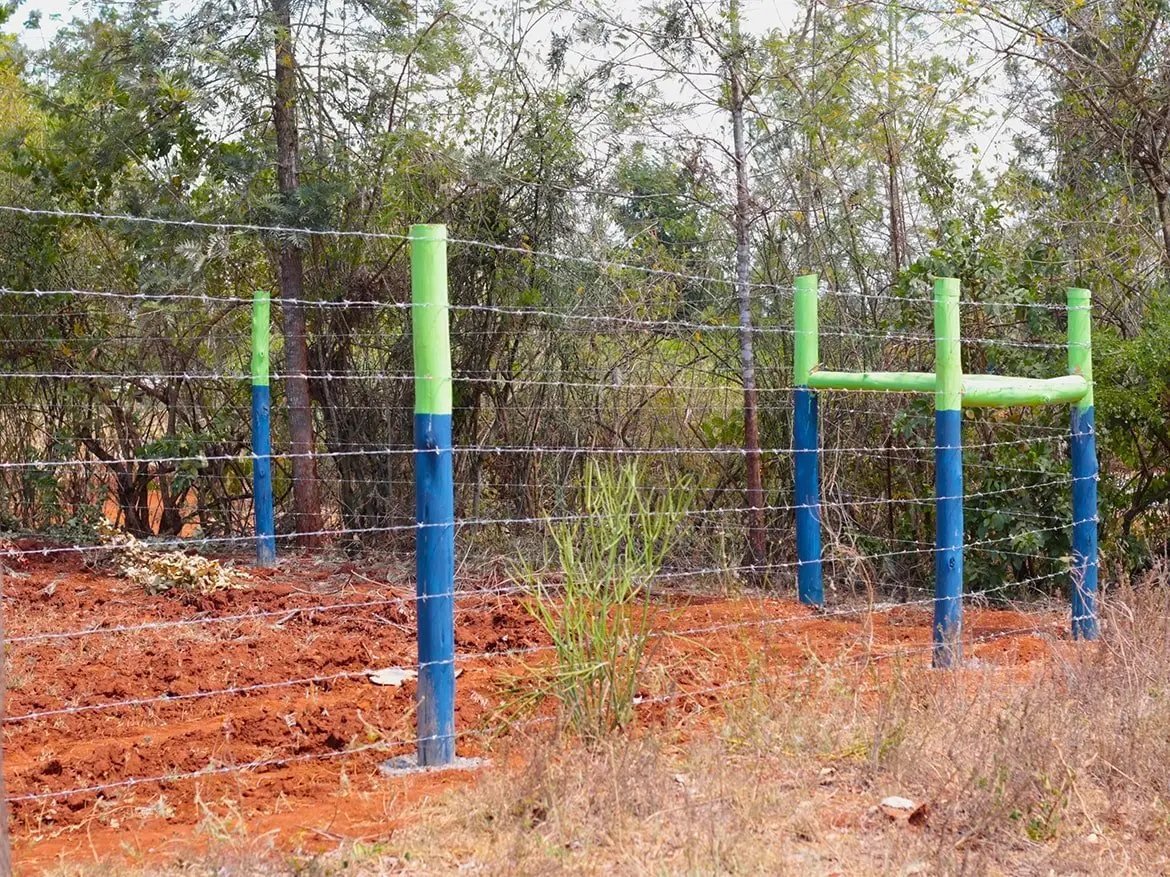
- Secure the land. Many owners fence the plot and mark the boundaries before anything else.
- Build in stages. You do not have to finish everything at once. Many families start with the foundation, then the walls, then the roof, as their savings allow.
- Stay involved. Visit regularly, or ask someone you trust to send updates, especially if you are building from abroad.
The point is not to have every shilling ready on day one. It is to have the land, a plan and the patience to follow it.
Ready to start building a family home on your own land?
The home you grew up dreaming of is your plot and your plan. Building a family home on your own land begins with one practical step: standing on the ground and imagining your house there.
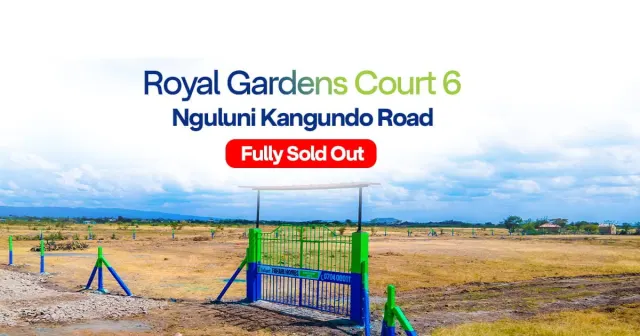
Fahari Homes runs free site visits every week, so you can see the plots, ask your questions and check the paperwork before you decide. Book your free site visit or see all plots for sale. And if you want to see how quickly families are choosing their land, read about how Royal Gardens Court 6 sold out. Your future home is closer than you think.
Frequently asked questions
Can I start building as soon as I pay for a plot?
You should wait until the transfer is registered and the title deed is in your name. After that, get a professional house plan and check with your county about building approval before construction starts.
Is a 50 by 100 plot big enough for a family home?
For many families, yes. A 50 by 100 plot is 5,000 square feet, a little under one eighth of an acre, which can fit a comfortable house and some outdoor space depending on the design. If you want a larger compound, consider buying two neighbouring plots.
Can I buy land in Kenya while living abroad and build later?
Yes. Many Kenyans abroad buy first and build when they are ready. Ask a trusted family member or your advocate to attend the site visit and confirm the official search, and never send money for land nobody you trust has seen.
How much is stamp duty when buying land in Kenya?
Under the Stamp Duty Act, stamp duty on a land transfer is 4% of the value in a municipality and 2% elsewhere. Rates can change, so confirm the current figure before you pay.